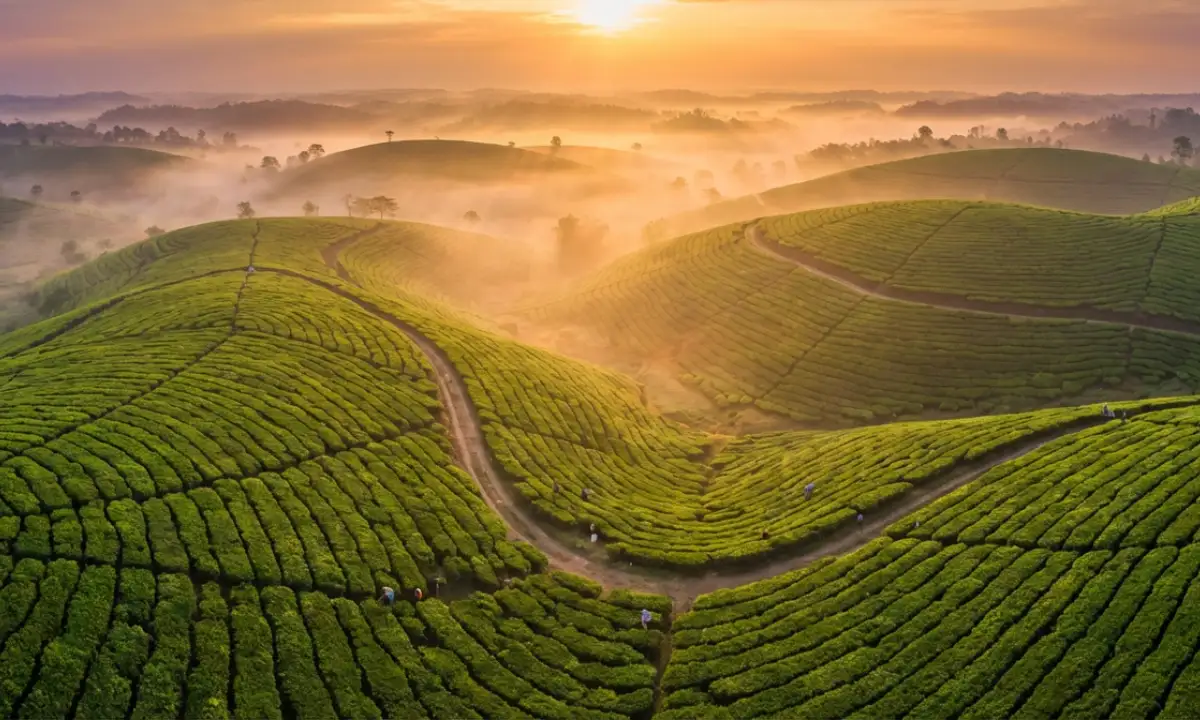
Imagine the rich, malty aroma of freshly brewed Assam tea—a flavor perfected over nearly 200 years in the rolling, emerald hills of Northeast India. It’s the robust heart of a morning chai, a daily ritual steeped in tradition. But behind every perfect cup is a story of legacy, daring innovation, and a deep connection to the land.
This isn’t a strict ranking, but a curated journey. We are highlighting ten iconic estates and companies for different reasons: some for their record-shattering quality, others for their immense scale, their historical significance, or their revolutionary social models. This is your guide to the names every true tea lover must know.
1. Halmari Tea Estate: The Crown Jewel of Quality
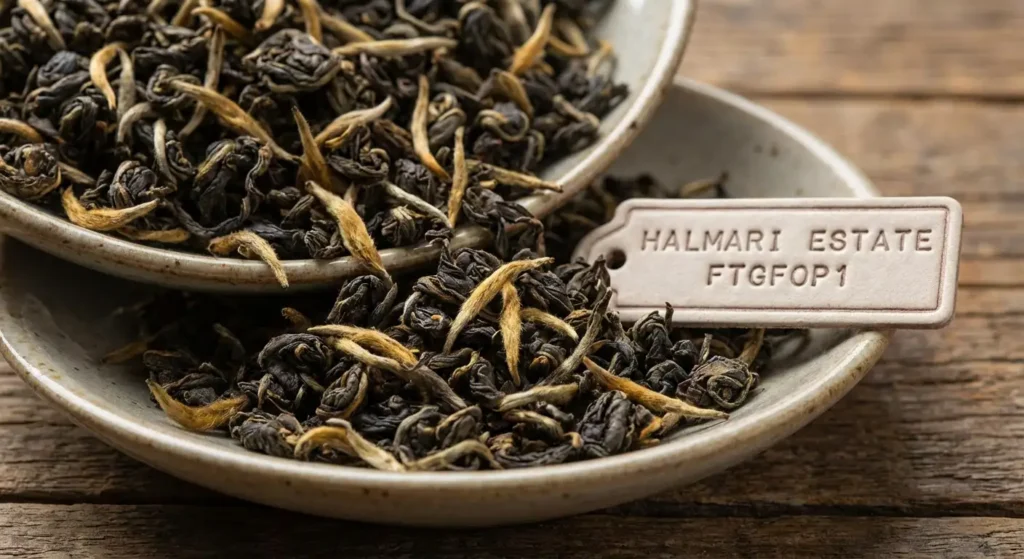
For connoisseurs, Halmari is the benchmark against which other Assam teas are measured. With a legacy spanning over a century, this estate consistently produces teas that fetch the highest prices at auction, winning accolades at global tea championships. Their secret is a mastery of both CTC and Orthodox production, particularly their sought-after GTGFOP1 Clonal black tea. A cup of Halmari is an experience—a complex, full-bodied liquor with notes of malt and honey, representing the absolute pinnacle of Assam’s potential.
2. Manohari Tea Estate: The Gold Standard Record-Breakers
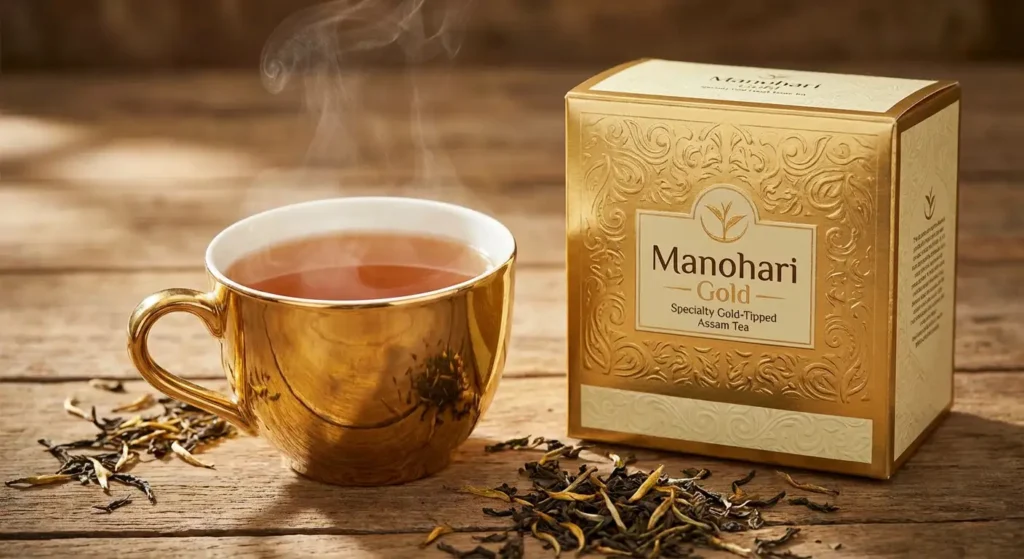
When you talk about luxury tea, you must talk about Manohari. This estate rocketed to global fame with its “Manohari Gold,” a rare specialty tea that repeatedly shatters world records. In 2022, it sold for an astonishing ₹1.15 lakh (about $1,400) per kilogram. Harvested for only a few days a year during a specific pre-dawn window, the delicate buds are hand-rolled to create a brew that is exquisitely aromatic, mellow, and sweet. It’s less a beverage and more a treasure.
3. Monabarie Tea Estate: The Gentle Giant of Assam
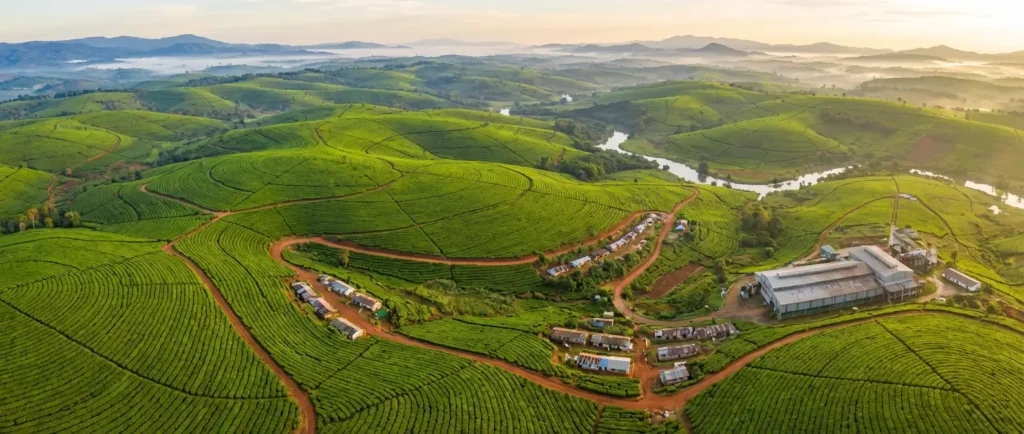
Welcome to Asia’s largest single tea garden. Covering an immense 1,158 hectares, Monabarie is a titan owned by McLeod Russel, part of the legendary Williamson Magor Group. Its sheer scale is breathtaking—a seemingly endless sea of green producing over 2.5 million kilograms of tea annually. The estate is a powerhouse known for its bright, brisk, and classically malty red liquor teas that form the backbone of many iconic breakfast blends worldwide.
4. Amalgamated Plantations (APPL): The People’s Estate

Born from Tata Tea’s divestment, Amalgamated Plantations is a revolutionary social enterprise. In a groundbreaking move, thousands of its employees became shareholders, creating a unique model of worker ownership. Beyond producing high-quality tea from famous gardens like Chubwa and Nahorkutia, APPL is celebrated for its deep commitment to community welfare, funding hospitals and educational programs for its 30,000+ employees and their families.
You can also read more about A Comprehensive Guide to the Best Tea Brands.
5. Joonktollee Tea Estate: The Historic Master of All Trades
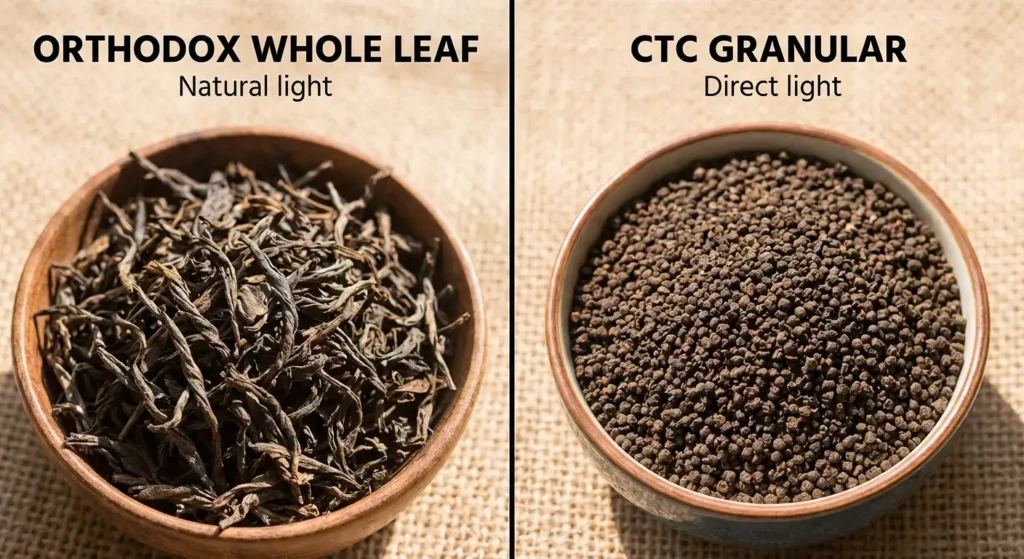
Established in 1874, Joonktollee is steeped in history. What makes it remarkable today is its mastery over a wide spectrum of tea processing. It is one of the few estates that excels in producing everything: the strong, granular CTC that Indians love for chai; delicate, whole-leaf Orthodox teas for purists; and even antioxidant-rich Green tea. This versatility demonstrates a profound understanding of the tea leaf and makes Joonktollee a vital and adaptable player in the global market.
6. Sapoi Tea Estate: The Immersive Tea Tourism Experience
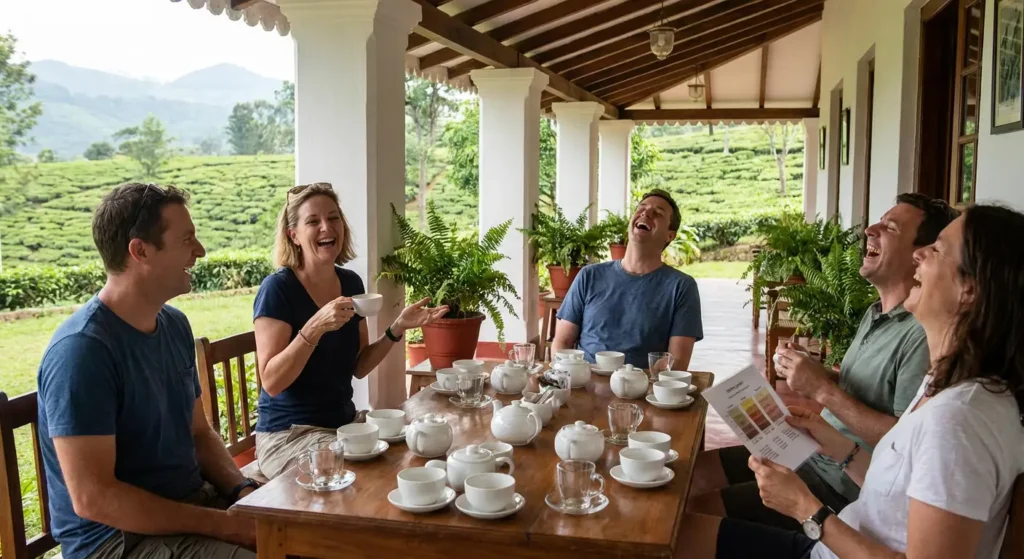
Sapoi is at the forefront of a delightful trend: tea tourism. This family-run estate has beautifully blended its tradition of producing quality tea with an invitation for travelers to live the life of a tea planter. Guests stay in charming heritage bungalows, join experts to roll their own tea leaves, and learn the art of tea tasting. As one guest noted, *”You don’t just see the garden; you become a part of its story.
7. Ghograjan Tea Estate: The Fifth-Generation Family Affair
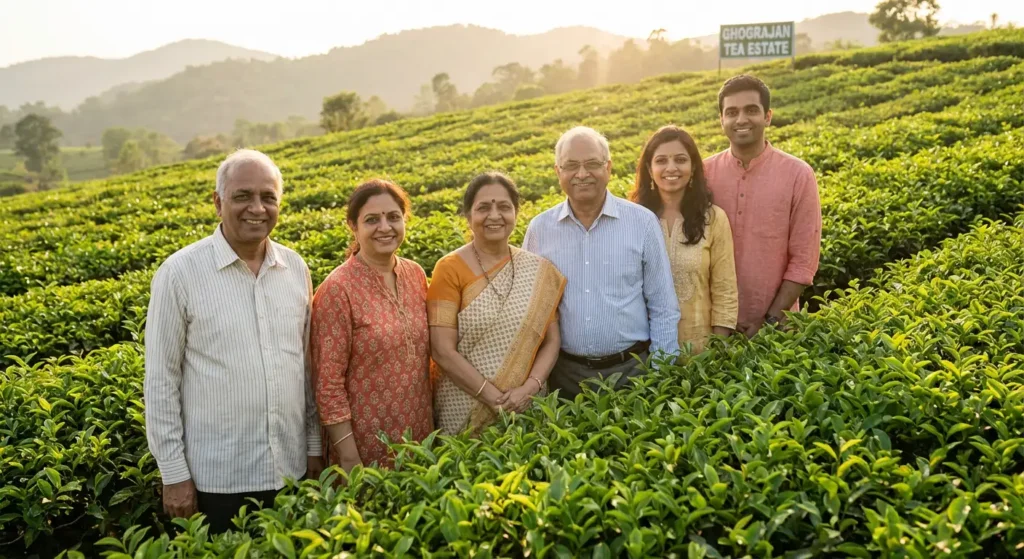
In an industry of giants, Ghograjan stands out for its personal touch. Run by the Jalan family for five generations, this estate champions the idea of handcrafted quality. The family personally oversees every step, from the specific fields being plucked to the final tasting. Their guiding philosophy is clear: “Tea is not a commodity; it’s our heritage in a cup.” This passion is evident in their award-winning Orthodox and CTC teas.
8. Williamson Magor Group: The Founding Fathers
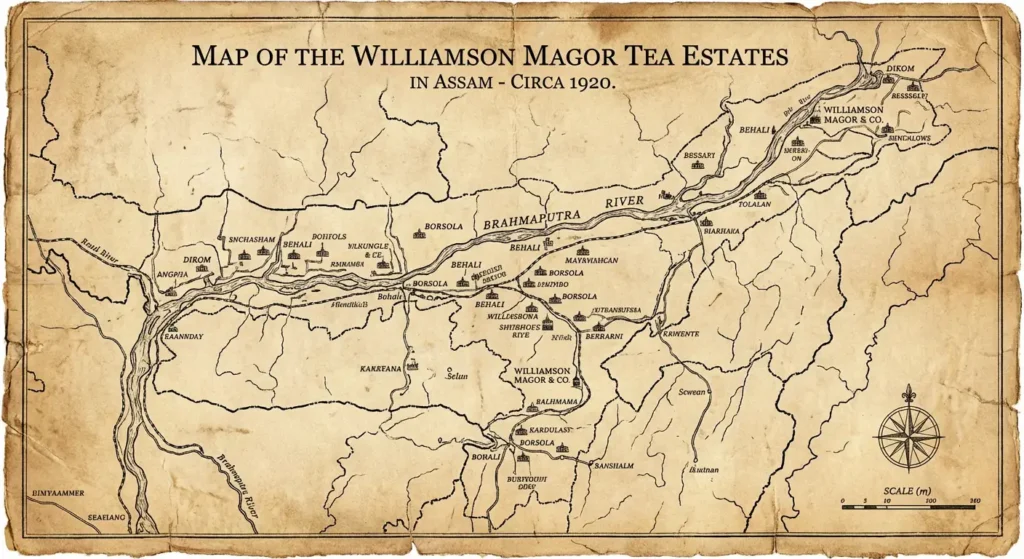
No list about Assam tea is complete without this goliath. As one of the largest and oldest bulk tea producers in the world, the Williamson Magor Group’s name is woven into the very fabric of Assam’s history. Managing a multitude of prestigious estates (including Monabarie), the group is a symbol of legacy and scale, having set industry benchmarks for over 150 years.
9. Corramore Tea Estate (Assam Company): The Original Pioneer

Drinking tea from the Corramore estate is like sipping a piece of living history. It is run by the Assam Company, the very first tea plantation company in the world, established in 1839 to commercialize the newly discovered Assam tea plant. Their gardens, including this historic one, were the original pioneers that introduced Indian tea to the world, breaking the global monopoly held by China at the time.
10. Jayshree Tea & Industries: The Diversified Powerhouse

Part of the industrial B.K. Birla Group, Jayshree Tea is a powerhouse of production and distribution. Their tea division is a cornerstone of their empire, managing renowned Assam estates like Towkok, Nahor Habi, and Manjushree. These gardens are known for their consistent quality and massive output, making Jayshree a critical supplier for both the Indian domestic market and major international brands.
How to Taste Assam’s Best: A Buyer’s Guide
Feeling inspired? You don’t need to travel to Assam to experience these exceptional teas. Here’s how to find them:
- Look for the Estate Name: When buying premium tea, check the packaging. Specialty brands are proud to feature the name of a top estate like Halmari or Manohari.
- Seek Out Single-Origin Specialists: Explore online tea purveyors that focus on single-origin, loose-leaf teas. They often provide detailed notes about the estate, flush (harvest season), and flavor profile.
- Visit the Source: A surprising number of these estates, like Ghograjan and Sapoi, now sell their tea directly to consumers through their own websites. It’s the best way to guarantee authenticity.
From record-breaking golden buds to the vast estates that fuel the world’s morning cup, the story of Assam is waiting for you. Have you tried a tea from one of these legendary gardens? Share your favorite in the comments below. For the food that belongs with the tea, see our Indian food guide.

1 thought on “A Tea Lover’s Guide to Assam: The 10 Estates Behind India’s Finest Brew”
Comments are closed.