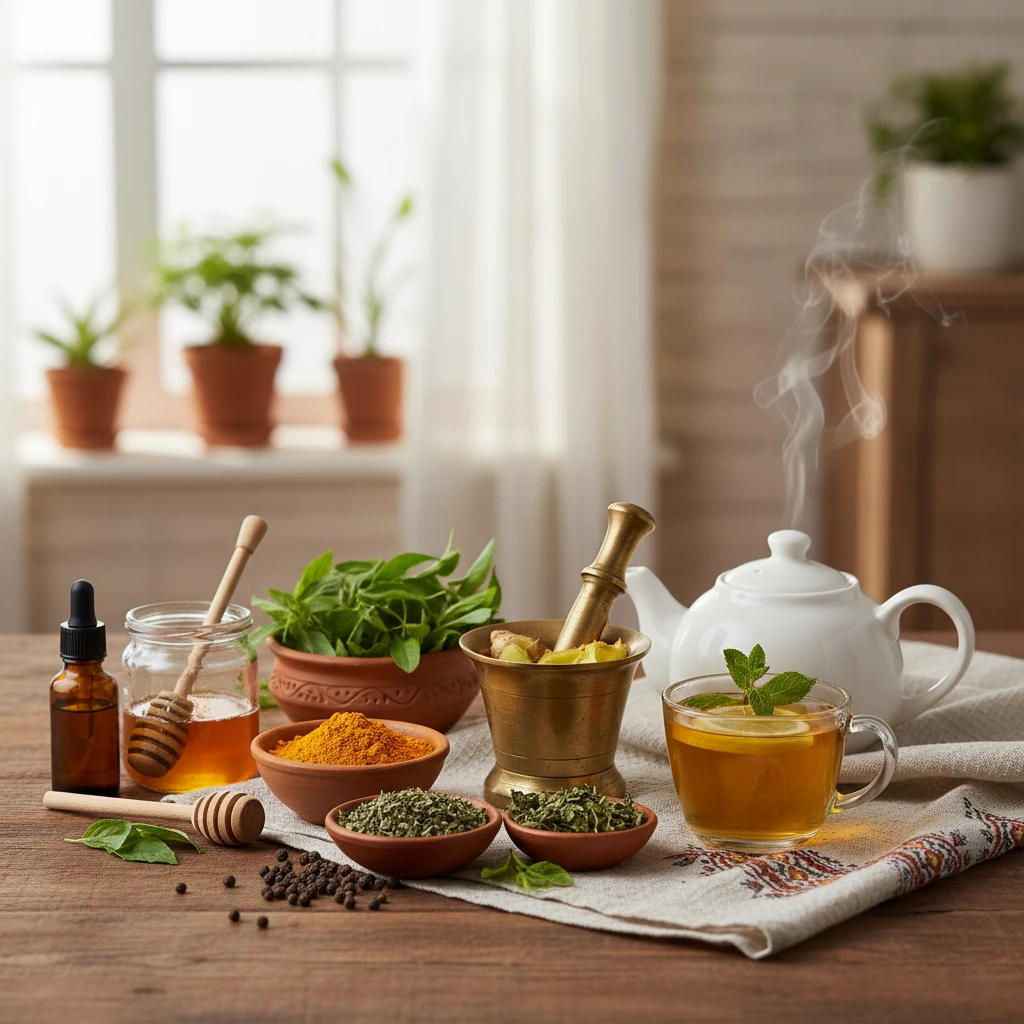
Feeling a bit under the weather? Before you reach for the medicine cabinet, have you considered tapping into the wisdom of generations? Desi home remedies, passed down through families in India and across South Asia, offer natural and often surprisingly effective solutions for common ailments. We’re not talking about replacing medical advice – always consult a doctor for serious conditions – but for those everyday niggles, these remedies can be a game-changer. Let’s explore some of the most trusted and time-tested desi cures.
Why Choose Desi Remedies? A Blend of Tradition and Practicality
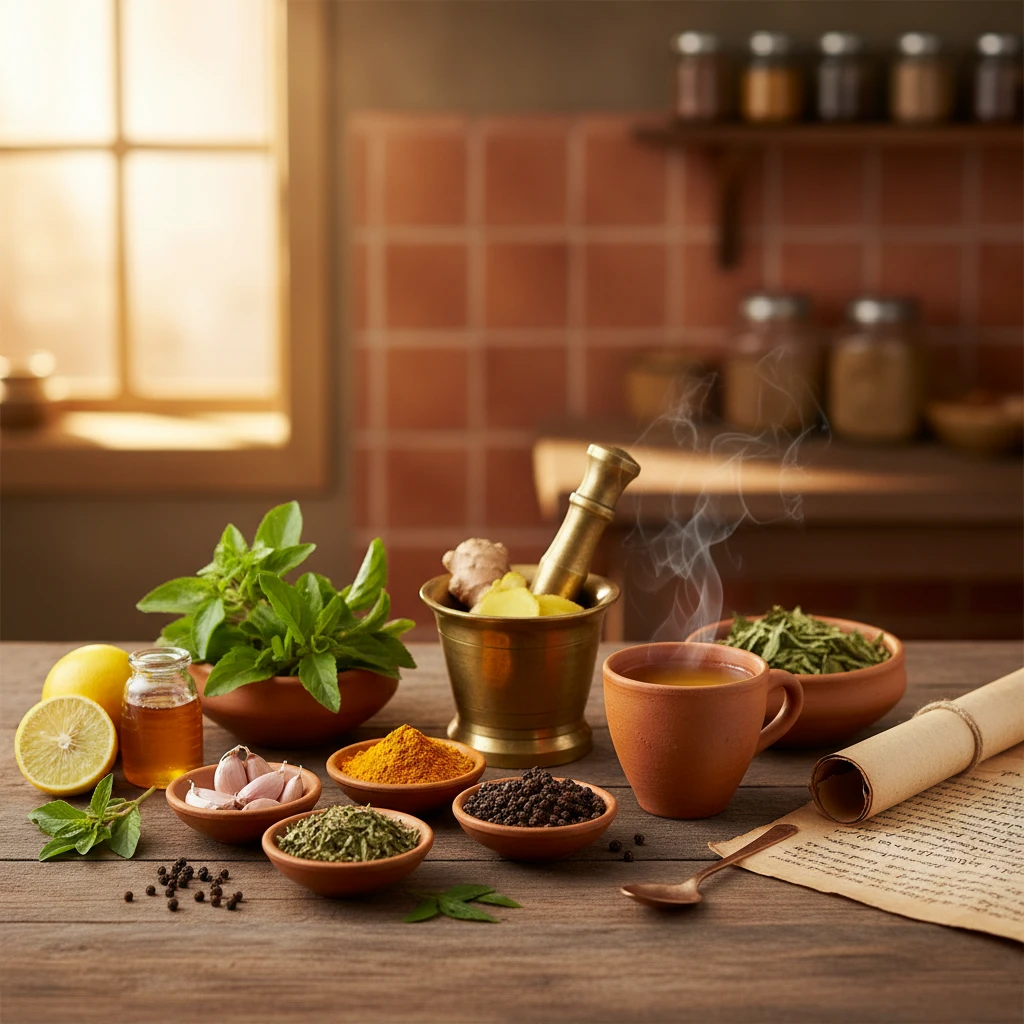
What makes these remedies so appealing? Here’s the thing: they often use ingredients you already have in your kitchen! Plus, there’s a comfort in knowing these treatments have been used for centuries. Think of it as a return to simpler times, a connection to your roots, and a way to take a proactive approach to your health. While not a substitute for professional medical advice, these remedies can often alleviate symptoms and promote overall well-being. Here’s a breakdown of why desi remedies remain popular:
- Accessibility: Most ingredients are readily available in your pantry or local market.
- Affordability: Generally much cheaper than over-the-counter medications.
- Fewer Side Effects: Natural ingredients are often gentler on the body.
- Holistic Approach: Many remedies focus on addressing the root cause of the problem, rather than just masking the symptoms.
- Cultural Significance: They connect you to your heritage and traditions.
Tackling Common Colds and Coughs: Desi Solutions That Work
Colds and coughs are practically unavoidable, especially during seasonal changes. Instead of immediately reaching for decongestants, try these desi remedies to soothe your symptoms and boost your immunity. And honestly, who doesn’t crave that warm, comforting feeling when they’re feeling under the weather?
Turmeric Milk (Haldi Doodh): The Golden Elixir
This isn’t just a trending health drink; it’s a centuries-old remedy! Turmeric contains curcumin, a powerful antioxidant and anti-inflammatory compound. Drinking warm turmeric milk before bed can help soothe a sore throat, reduce inflammation, and promote restful sleep. It’s like a warm hug for your insides.
How to Make It: Warm a cup of milk (dairy or plant-based), add half a teaspoon of turmeric powder, a pinch of black pepper (to enhance curcumin absorption), and a touch of honey or jaggery for sweetness. Stir well and drink warm.
Ginger, Honey, and Lemon: A Powerful Trio
This combination is a classic for a reason. Ginger has anti-inflammatory and antiviral properties, honey soothes the throat, and lemon provides a boost of vitamin C. This is my personal go-to remedy. Here’s why it works so well: gingerol in ginger helps to fight infection, honey coats the throat, providing relief and its antioxidant properties fight the disease, and lemon helps in decongestion.
How to Make It: Grate a small piece of ginger, mix it with a tablespoon of honey and a squeeze of lemon juice. Consume this mixture directly or add it to warm water to make a soothing tea. A word of caution: Ginger can interact with blood thinners, so consult with a doctor first if you’re on medication.
Steam Inhalation: Clearing Congestion the Natural Way
Steam inhalation is a simple yet effective way to relieve nasal congestion and loosen mucus. Add a few drops of eucalyptus oil or tea tree oil to hot water for an extra boost.
How to Do It: Boil water and pour it into a bowl. Add a few drops of eucalyptus or tea tree oil. Cover your head with a towel and lean over the bowl, inhaling the steam deeply for 5-10 minutes. Be careful not to burn yourself!
Tulsi (Holy Basil): The Ayurvedic Powerhouse
Tulsi, or Holy Basil, is revered in Ayurveda for its medicinal properties. It’s known to boost immunity, fight infections, and relieve cough and cold symptoms. You can chew a few fresh tulsi leaves, brew them into a tea, or add them to your steam inhalation.
How to Use It: Chew 5-7 fresh tulsi leaves daily. Alternatively, boil a few tulsi leaves in water for 10-15 minutes, strain, and drink the tea.
Soothing Digestive Issues: Desi Remedies for a Happy Gut
Digestive problems are incredibly common, often caused by stress, diet, or infections. Fortunately, desi remedies offer gentle and effective ways to ease discomfort and promote healthy digestion.
Ajwain (Carom Seeds): The Digestive Aid
Ajwain is known for its carminative properties, which help to relieve gas and bloating. It also has antiseptic properties, making it useful for treating digestive infections. My mom swears by ajwain after a heavy meal.
How to Use It: Chew a teaspoon of ajwain seeds after meals or dry roast them and grind them into a powder. You can also add ajwain to your cooking.
Ginger and Cumin Tea: A Calming Brew
Ginger and cumin are both excellent digestive aids. Ginger helps to stimulate digestive enzymes, while cumin aids in nutrient absorption and reduces inflammation.
How to Make It: Boil a teaspoon of grated ginger and a teaspoon of cumin seeds in water for 10-15 minutes. Strain and drink the tea warm.
Buttermilk (Chaas): The Probiotic Powerhouse
Buttermilk is a traditional Indian drink that’s rich in probiotics, beneficial bacteria that promote gut health. It’s especially helpful for relieving acidity and indigestion.
How to Make It: Whisk yogurt with water and add a pinch of salt, cumin powder, and chopped coriander leaves. Drink it chilled after meals.
Isabgol (Psyllium Husk): The Fiber Boost
Isabgol is a natural source of fiber that helps to regulate bowel movements and relieve constipation. It’s important to drink plenty of water when consuming isabgol to prevent dehydration.
How to Use It: Mix a tablespoon of isabgol with a glass of water and drink it immediately. Follow it up with another glass of water.
Skincare Secrets: Desi Remedies for Glowing Skin
Forget expensive creams and serums! Many desi remedies offer natural and effective solutions for various skin problems, using ingredients readily available in your kitchen.
Turmeric Face Mask: The Radiance Booster
Turmeric is a powerhouse ingredient for skincare. Its anti-inflammatory, antibacterial, and antioxidant properties can help to brighten the skin, reduce acne, and even out skin tone. Just be careful – it can stain, so use sparingly!
How to Make It: Mix a teaspoon of turmeric powder with a tablespoon of yogurt or honey to form a paste. Apply it to your face and neck, leave it on for 15-20 minutes, and rinse with lukewarm water.
Aloe Vera Gel: The Soothing Savior
Aloe vera is known for its soothing and healing properties. It’s a great remedy for sunburns, dry skin, and acne. You can use fresh aloe vera gel from the plant or buy commercially available aloe vera gel.
How to Use It: Apply aloe vera gel to your skin and leave it on for 20-30 minutes, then rinse with water. You can also leave it on overnight as a moisturizer.
Neem Paste: The Acne Fighter
Neem is a potent antibacterial and antifungal agent, making it effective for treating acne, eczema, and other skin infections. Its bitter taste might be off-putting, but its benefits are undeniable.
How to Make It: Grind fresh neem leaves into a paste and apply it to the affected areas. Leave it on for 15-20 minutes and rinse with water.
Besan (Gram Flour) Scrub: The Exfoliating Agent
Besan is a gentle and effective exfoliator that helps to remove dead skin cells and brighten the skin. It also helps to absorb excess oil and prevent acne.
How to Make It: Mix besan with water or yogurt to form a paste. Gently massage it onto your skin in circular motions, leave it on for 5-10 minutes, and rinse with water.
Hair Care Heroes: Desi Remedies for Strong and Shiny Locks
Long, strong, and shiny hair is a prized possession in Indian culture. Desi remedies offer natural and effective ways to nourish your hair and scalp, promoting healthy hair growth and preventing hair problems.
Coconut Oil Massage: The Deep Conditioner
Coconut oil is a fantastic hair conditioner that helps to moisturize the hair, reduce breakage, and promote hair growth. Warm coconut oil and massage it into your scalp and hair, leave it on for at least 30 minutes (or overnight), and wash it off with a mild shampoo.
Amla (Indian Gooseberry): The Vitamin C Boost
Amla is rich in vitamin C and antioxidants, which are essential for healthy hair growth. You can eat amla raw, drink amla juice, or apply amla oil to your hair.
Henna: The Natural Dye and Conditioner
Henna is a natural dye that can also condition the hair and make it stronger and shinier. Mix henna powder with water or yogurt to form a paste, apply it to your hair, leave it on for a few hours, and rinse with water.
Methi (Fenugreek Seeds): The Hair Growth Stimulant
Methi seeds are known to stimulate hair growth and prevent hair loss. Soak methi seeds overnight, grind them into a paste, and apply it to your scalp. Leave it on for 30-40 minutes and rinse with water.
Important Considerations: Safety First!
While desi remedies are generally safe, it’s crucial to exercise caution and be aware of potential risks.
- Allergies: Always check for allergies to any of the ingredients before using a remedy.
- Pregnancy and Breastfeeding: Some remedies may not be safe for pregnant or breastfeeding women. Consult your doctor before using any new remedies.
- Interactions with Medications: Some herbs and spices can interact with medications. If you’re on medication, consult your doctor before using desi remedies.
- Dosage: Use remedies in moderation. More is not always better.
- Consult a Doctor: Desi remedies are not a substitute for medical treatment. If you have a serious health condition, consult a doctor.
Embrace the Wisdom of Tradition
Desi home remedies offer a natural and effective way to address common ailments and promote overall well-being. By tapping into the wisdom of generations, you can take a proactive approach to your health and connect with your cultural heritage. But remember, always prioritize safety and consult a doctor for serious health concerns. So, the next time you’re feeling a bit under the weather, consider reaching for that turmeric or ginger – you might be surprised at the healing power of your own kitchen!
Frequently Asked Questions (FAQs)
Some desi remedies are safe for children, but it’s crucial to consult with a pediatrician before using any remedy on a child. Children are more sensitive to herbs and spices, so use remedies in moderation.
Desi remedies can help to manage the symptoms of chronic diseases, but they are not a cure. It’s important to work with your doctor to manage your condition.
There are many books and websites that offer information about desi remedies. However, it’s important to choose reliable sources and consult with a healthcare professional before using any new remedies.
Some desi remedies may not be safe for pregnant women. Consult your doctor before using any new remedies during pregnancy.
Pay attention to your body and see if your symptoms are improving. If your symptoms worsen or do not improve after a few days, consult a doctor.
The Future of Desi Remedies: A Modern Renaissance?
With a growing interest in natural and holistic health, desi remedies are experiencing a resurgence in popularity. As more research validates the efficacy of these traditional treatments, we can expect to see them integrated into modern healthcare practices. Maybe someday, your doctor will prescribe a cup of turmeric milk alongside that antibiotic!
External Resources for Further Reading:
- Traditional Medicine – Wikipedia
- National Center for Complementary and Integrative Health (NCCIH)
- WHO Traditional Medicine Strategy
- National Center for Biotechnology Information (NCBI)
- WebMD

1 thought on “Unlocking the Power of Grandma’s Kitchen: Desi Home Remedies for Everyday Health”
Comments are closed.